
Japan in ten days, planned for you
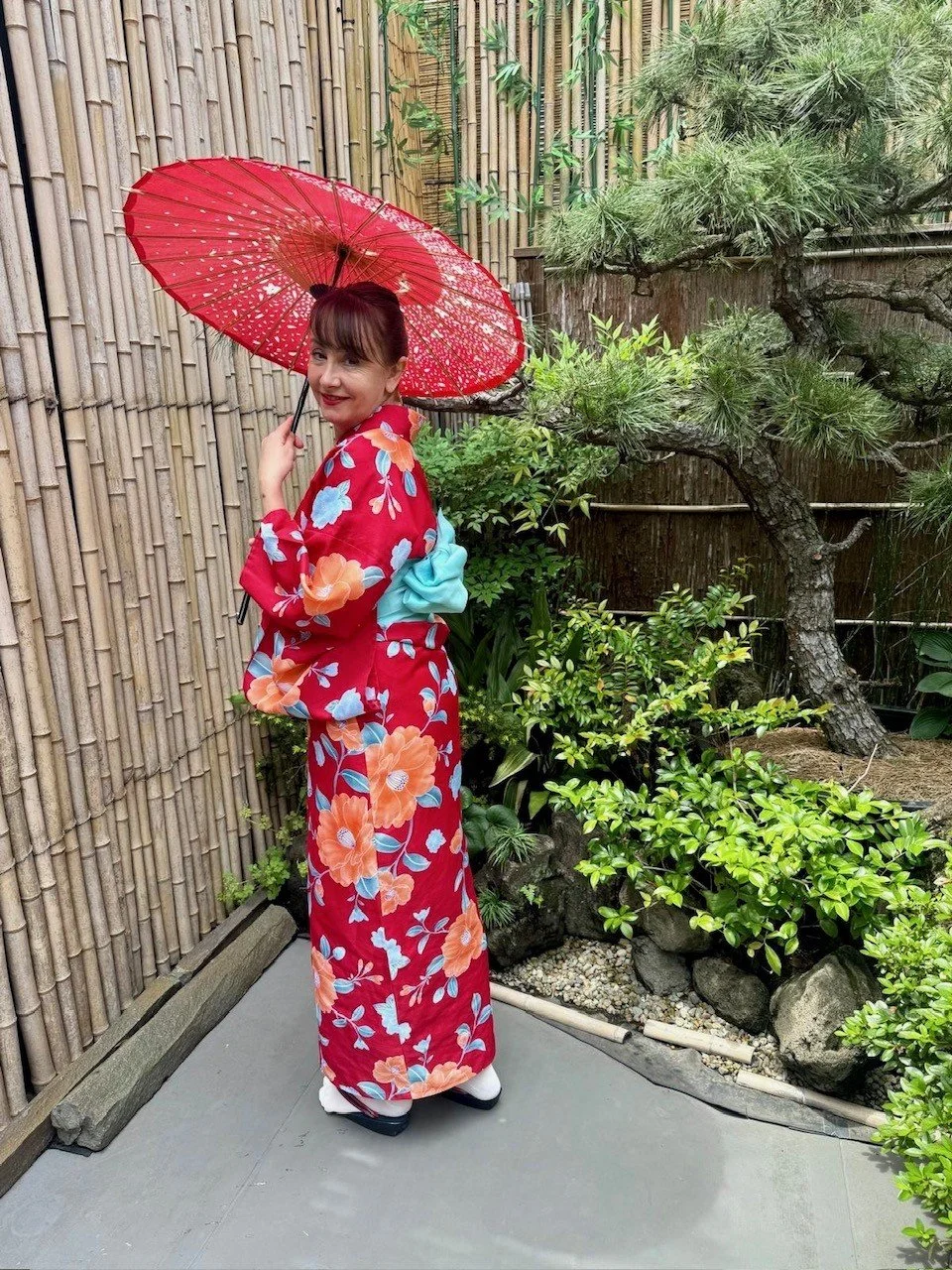
Me at a Tea Ceremony & Geisha Experience at a Traditional Tea House
Japan in ten days
I went to Tokyo last year and I have not really stopped thinking about it since.
I stood at Shibuya Crossing and watched a thousand people move through each other without a single collision. I also dressed as a geisha, which I did not expect to enjoy and did, enormously. I sat through a tea ceremony that moved slower than anything else in my life and came out of it calmer than I'd been in a year. And I ate sushi that has permanently ruined sushi at home for me.
What I didn't do was leave the city. So the first half of what follows is mine, and the second half is the part I'm going back for — I've marked which is which, because a guide that pretends isn't worth reading.
Why 2027, and why Easter
If you read leave calendar post, you'll know Easter 2027 is the best leave window in years: Saturday 20 March to Sunday 4 April, sixteen days away, eight days of annual leave.
That fortnight is also, give or take the weather, cherry blossom season in Japan.
I want to be honest about the trade-off. Blossom season is the busiest and most expensive time to be in Japan, the trains are full, and the famous spots are three deep in people. It is also genuinely one of the things worth seeing before you die, and the entire country gets quietly happier for a fortnight. If you're going to do it once, do it properly and book a year out.
If crowds would ruin it for you, take the same itinerary in October instead and have the autumn colour to yourself.
The ten days
Days 1–2, Tokyo. Land, and don't plan much. Shibuya Crossing and the Shibuya Sky deck for the first evening — go up at dusk and watch the city switch on. Next morning Asakusa and Senso-ji temple early, while it's still quiet, then the backstreets of Yanaka in the afternoon.
Day 3, Tokyo. A tea ceremony in the morning. Book ahead — the good ones are small and they fill. Afternoon free for Harajuku or the Meiji Shrine, which sit twenty minutes apart and could not be less alike.
Day 4, Tokyo. Tsukiji outer market early for breakfast, then a proper sushi lunch somewhere you've booked. Afternoon at teamLab, or Shinjuku's Golden Gai after dark if you'd rather.
Day 5, out of the city. Kamakura for the Great Buddha and the coast, an hour away. Or Nikko if you want mountains and shrines instead.
Days 6–8, Kyoto. Shinkansen from Tokyo, just over two hours. Fushimi Inari at first light before the crowds, the bamboo at Arashiyama, Gion in the evening. Give one day to Nara for the deer and Todai-ji.
Days 9–10, Hakone and home. Break the return with a night in Hakone — onsen, and Mount Fuji if the weather agrees. Back to Tokyo for the flight.
What it costs
Flights from Sydney run roughly $900–1,500 return, more in blossom season, less if you're flexible. On the ground, budget around $200–280 a day for mid-range hotels, eating well and paying to get about. So ten days lands somewhere near $3,000–4,000 all in.
It is not the cheapest trip in Asia. It is the one people come back from changed.
One money tip
Don't buy the Japan Rail Pass on reflex. It's been a poor deal since the last price rise, and for a Tokyo–Kyoto–Tokyo trip like this one, individual Shinkansen tickets usually work out cheaper. Price both before you commit — it takes ten minutes and can save you a few hundred dollars.
If you're going alone
Japan is close to the easiest country in the world to travel as a woman on your own. The trains run to the minute. Eating alone is completely normal — there are restaurants designed for it. Nobody will ask you why you're by yourself, or look at you oddly for having dinner with a book.
If you've never done a solo trip and you want somewhere that won't test you, this is the one after New Zealand.
The 10-Day Escape Plan — this itinerary in full, plus five more, all costed and built around the leave you already have. Free. link to your Escape Plan page
