
Tasmania
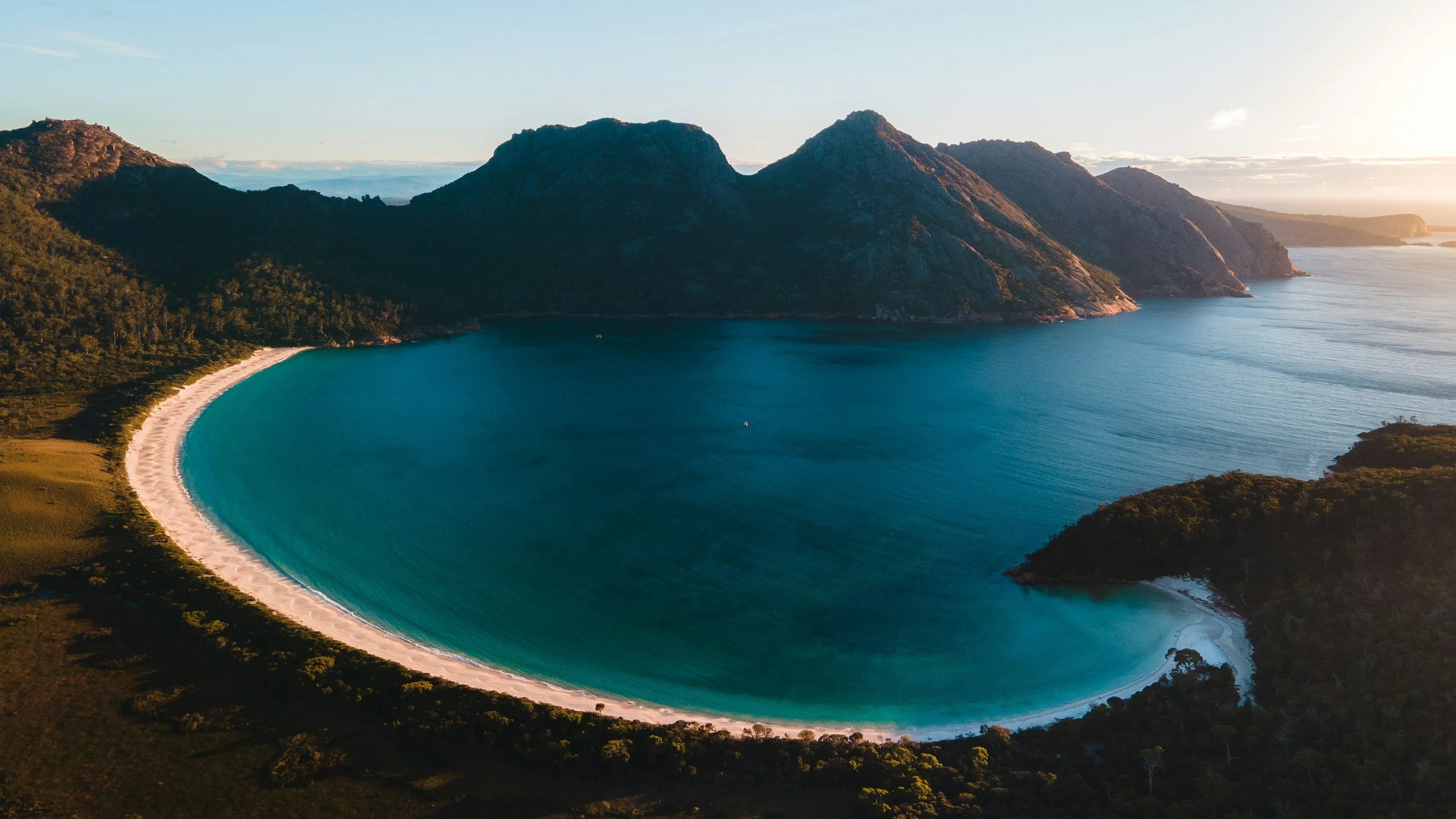
Closer to Antarctica than anywhere else in Australia, with two fifths of the island under protection. Wilderness on one side, some of the country's best food and wine on the other.

Where to stay
The Henry Jones Art Hotel
Hobart · waterfront · a former jam factory
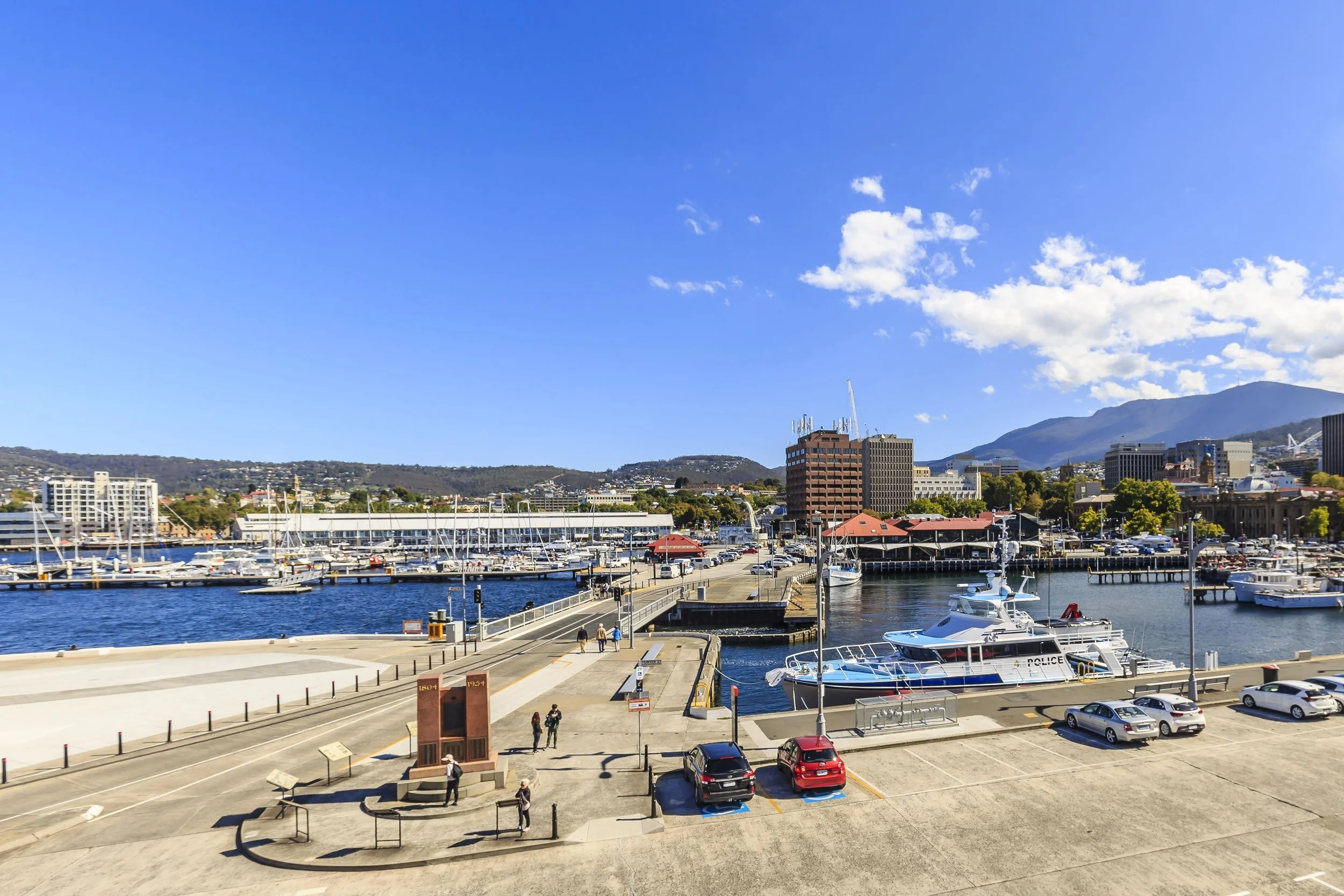
Australia's first art hotel, in a nineteenth-century jam factory on the waterfront.
-
Fifty-six individually decorated rooms on Hobart's waterfront, in a converted nineteenth-century jam factory — the restaurant is still called Jam Packed. The building blends industrial architecture with a serious working art collection, and it's a minute from Salamanca Place and the Saturday market. The ferry to MONA leaves from just along the waterfront.
56 individually decorated rooms
A converted 19th-century jam factory
Working art collection throughout
Jam Packed Cafe, bar and gym
Walk to Salamanca Place and the MONA ferr
Freycinet Lodge
Coles Bay · Freycinet National Park · Wineglass Bay
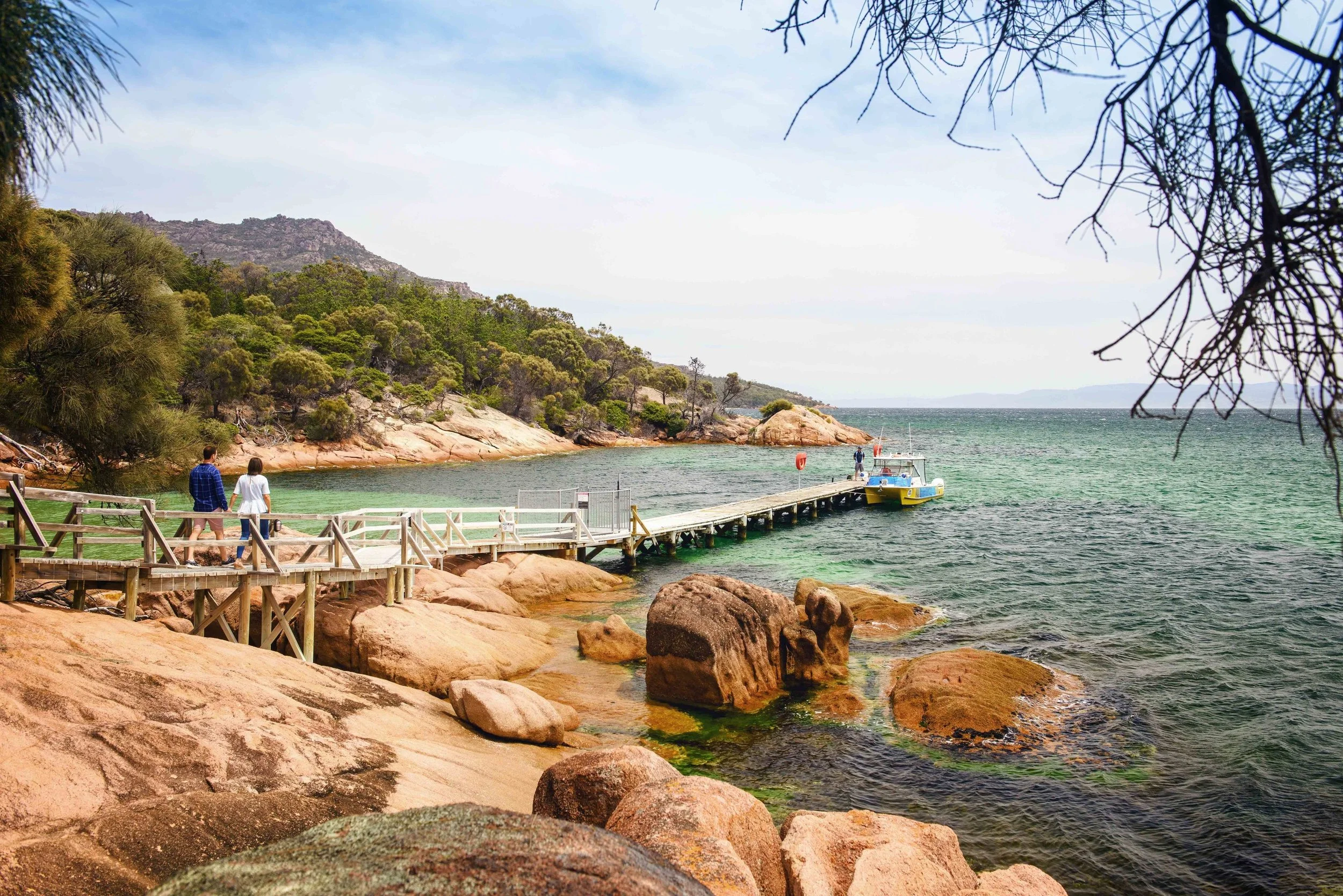
Inside the national park, an hour's walk from Wineglass Bay.
-
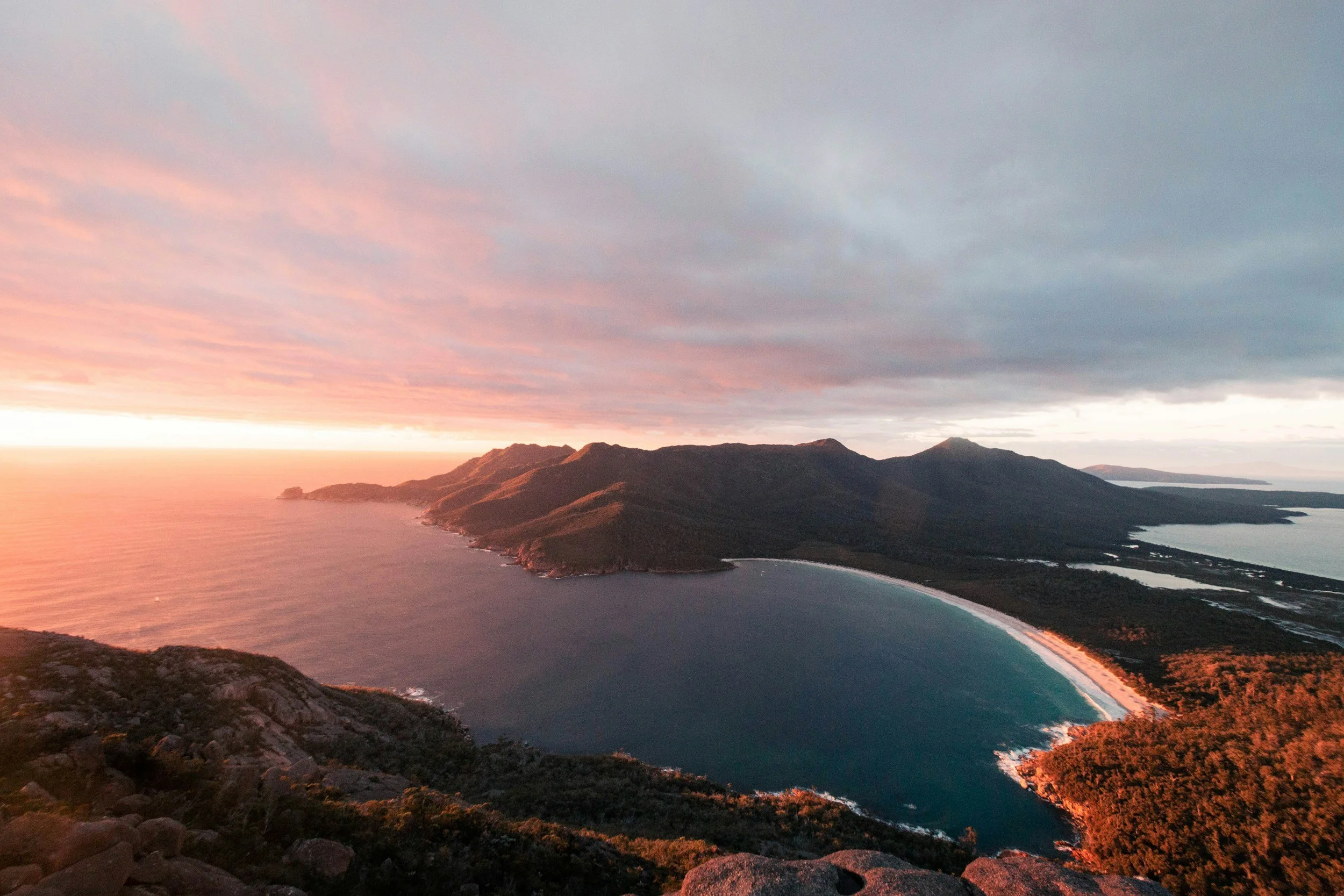
Inside Freycinet National Park at Coles Bay, which puts the Wineglass Bay lookout walk on your doorstep rather than an hour's drive away. Cabins and coastal pavilions sit among the trees above the water. Being in the park means you can do the lookout at sunrise, when the light is best and there's nobody else on the track.
Inside Freycinet National Park
Walking distance to the Wineglass Bay lookout track
Cabins and coastal pavilions among the trees
Restaurant and bar on site
Peppers Cradle Mountain Lodge
Cradle Mountain · beside the national park
Cabins in the rainforest at the start of the Overland Track.
-
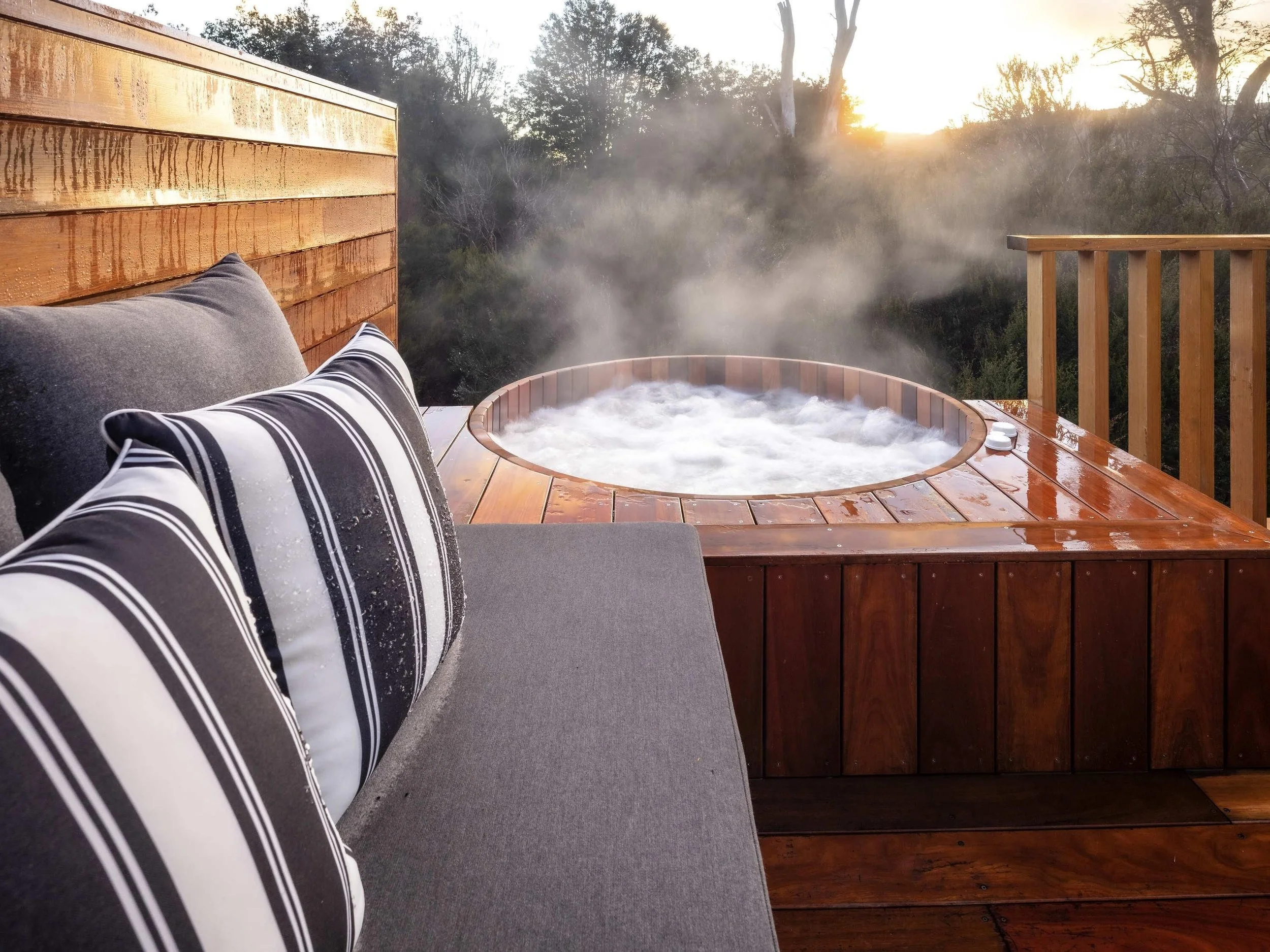
Timber cabins in the rainforest beside Cradle Mountain–Lake St Clair National Park, part of the Tasmanian Wilderness World Heritage Area. The Dove Lake circuit and the start of the six-day Overland Track are both from here. There's a spa, and wombats on the grass at dusk with a reliability that surprises people.
Beside Cradle Mountain–Lake St Clair National Park
Timber cabins in rainforest
Dove Lake circuit and the Overland Track trailhead
Spa, restaurant and bar
Wildlife at dusk on the property
-
Around 40% of the island is protected in national parks and World Heritage areas.
The Tasmanian Wilderness is a UNESCO World Heritage Site, one of the largest conservation areas in the southern hemisphere.
Tasmania is closer to Antarctica than any other Australian state — and the aurora australis is visible from the south coast on clear dark nights.
The air at Cape Grim in the north-west is measured as among the cleanest in the world.
The Overland Track runs six days from Cradle Mountain to Lake St Clair, and books out well in advanc
-
Best time — December to February is summer: long days, walking weather, and the Taste of Tasmania around New Year. March and April are quieter with good light. Winter is cold and short-dayed but it's the season for the aurora, for Dark Mofo in June, and for having Cradle Mountain almost to yourself.
Getting around — Fly into Hobart or Launceston and hire a car — public transport won't get you to the parks. The Spirit of Tasmania ferry runs from Geelong if you want to bring a vehicle. Distances look small and take longer than you'd think.
-
Tasmania is an easy, safe place to travel alone, and small enough that a week covers it properly. The risks are weather and distance rather than people: mountain weather turns fast even in summer, mobile coverage disappears in the parks, and roads are narrow with wildlife on them at dawn and dusk — so avoid driving between sunset and sunrise if you can. Register your walk with Parks Tasmania before anything longer than a day hike.

10 of the best Tasmania Tours
Going somewhere on your own?
Get the Ultimate Travel Guide — safety, accommodation and planning, free.